Operation Slow Crawl

A lifetime of care. A landscape in recovery.

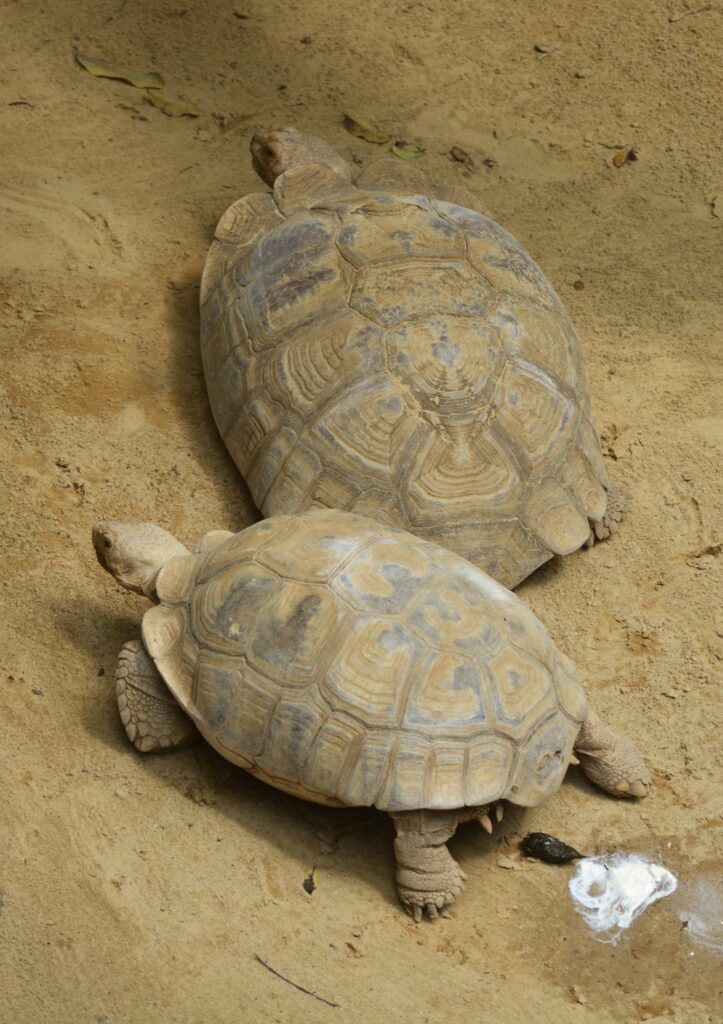
African spurred tortoises—commonly called Sulcatas—need more than admiration. They need lifelong stewardship.

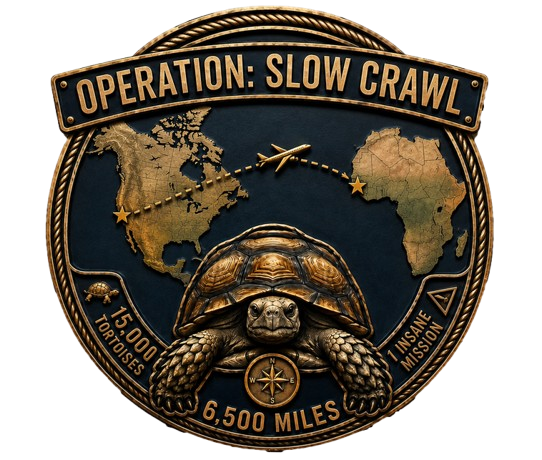
Operation Slow Crawl is a Blackbird Global Foundation project connecting the challenge of surrendered Sulcata tortoises in the United States with conservation awareness for the species’ native Sahel region of Africa.

The two challenges

1

A lifetime can outlast a household

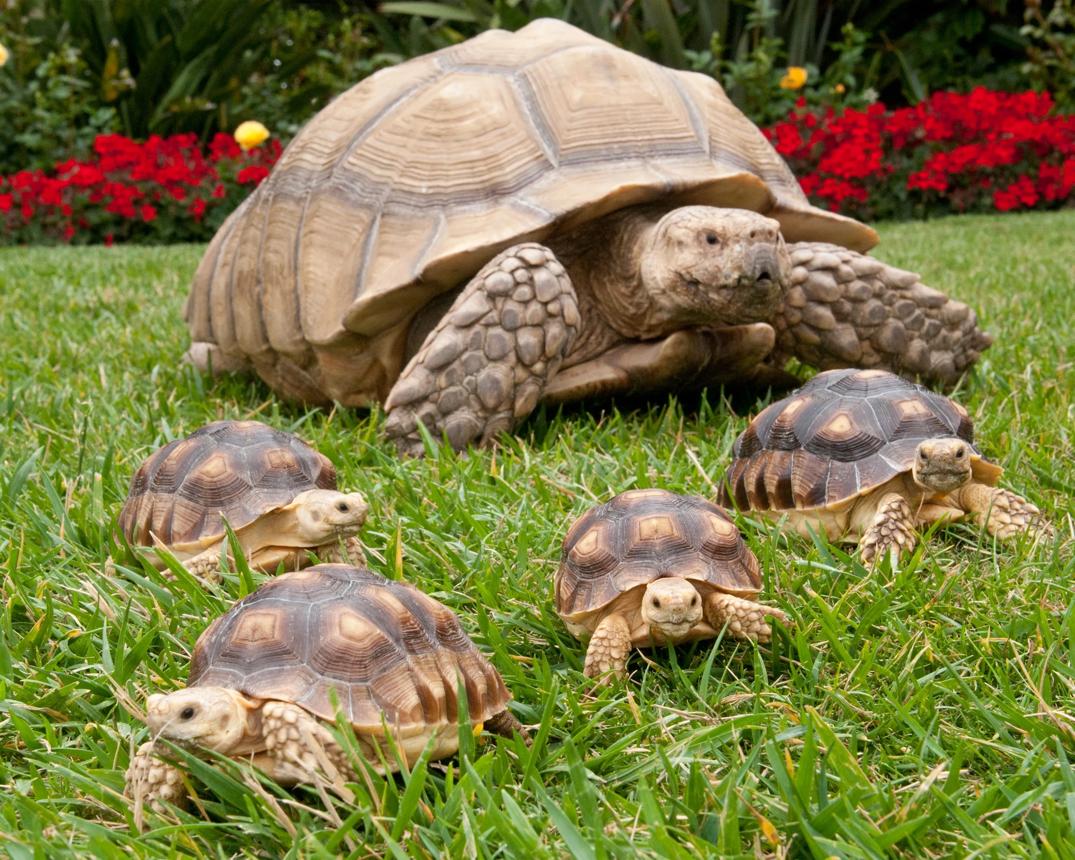
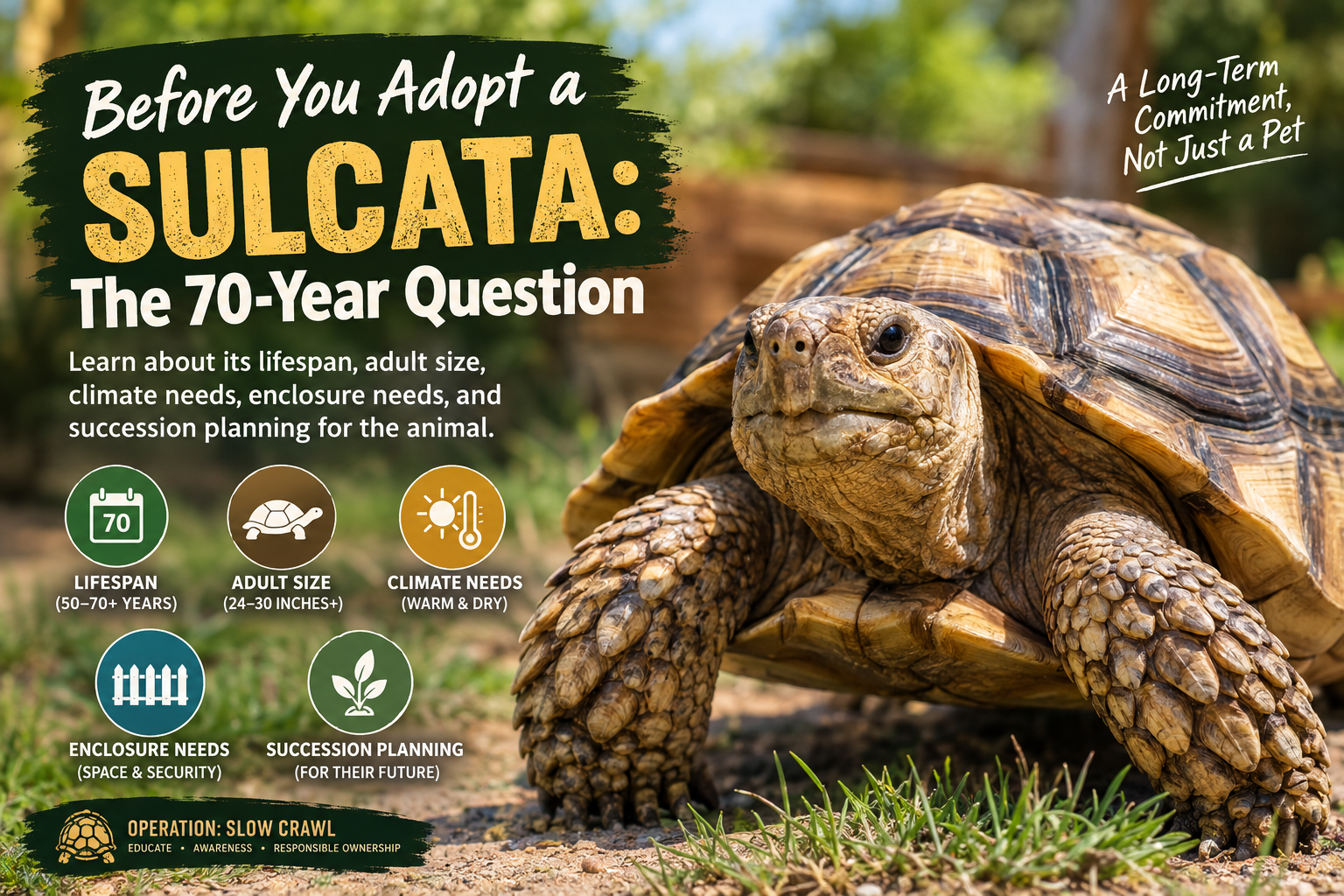
Sulcatas are often purchased when they are small, but they become among the largest tortoise species kept as companion animals. Their space, diet, veterinary, climate, and housing needs grow with them—and their lifespans can extend for decades. When owners relocate, age, face changing health or financial circumstances, or underestimate the long-term responsibility, they may surrender tortoises to rescues, shelters, and sanctuaries already operating with limited land and care resources. Operation Slow Crawl promotes informed adoption, responsible surrender pathways, and support for organizations that provide the demanding work of lifelong care. Sulcatas can live 70-100+ years in captivity and may weigh more than 100 pounds.

2

A native habitat under pressure

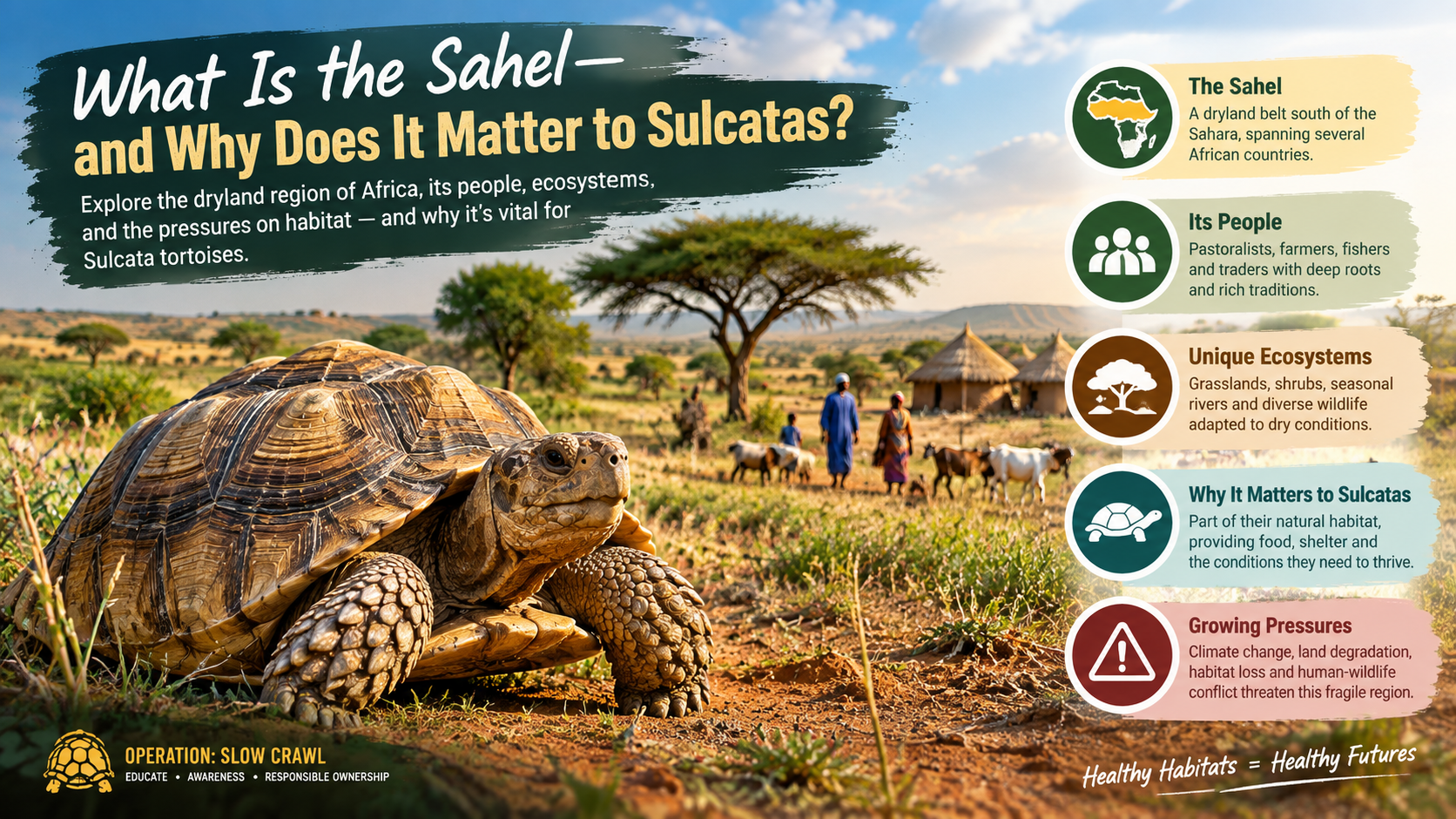
In the Sahel—the semi-arid belt south of the Sahara—wild African spurred tortoises face a distinct yet connected crisis. Habitat conversion, grazing pressure, fires, local harvesting, and the international pet trade have contributed to population declines. The species’ habitat is also affected by broader pressures from land degradation and desertification. Operation Slow Crawl supports public education and ethical, locally informed conservation awareness that recognizes the people, ecosystems, and institutions already working across the Sahel.

Why the slow crawl matters

Sulcatas are not merely charismatic animals. In arid ecosystems, their digging and burrowing can shape soil structure and create shelters or microhabitats for other animals. Conservation assessments note that carefully planned reintroduction into suitable habitat may promote the proliferation of savanna vegetation, but such efforts must be science-led, locally governed, legally compliant, disease-screened, and tied to real habitat protection—not treated as a simple release of captive pets.

At A Glance ...

There are four distinct phases from one integrated pathway

PHASE I – Readiness & Approvals

PHASE II – Airlift & Intake

PHASE III – Conditioning & Transfer

PHASE IV – 5-Year Impact Study

Latest Blog

Interested in learning more about Operation Slow Crawl or becoming part of the movement? Complete the message form below to request information, share your ideas, volunteer, partner with us, or explore ways to support safer, stronger, and more connected communities.

Your voice and involvement can help move the mission forward.

Address:

Email: