
Sulcata tortoises are among the most popular pet tortoises in the world. Their gentle appearance, curious personalities, and adorable hatchling size make them appealing to first-time reptile owners. However, many people discover that caring for a Sulcata is a much bigger responsibility than they initially expected.
The problem is not that Sulcatas are bad pets. The problem is that their adult needs are often underestimated. A tortoise that begins life small enough to fit in your hand can eventually become a large, powerful animal requiring substantial space, specialized care, and decades of commitment.
Understanding why Sulcatas are surrendered can help future owners make better decisions and provide a more secure future for these remarkable animals.
1. The Appeal of the Hatchling
Few things are as charming as a Sulcata hatchling. Its small size, distinctive shell, and curious behavior make it easy to imagine bringing one home as a manageable companion.
At this stage, owners may feel confident that they have enough space, time, and resources. A small enclosure appears practical, feeding seems simple, and the tortoise may seem like an easy pet to maintain.
But the hatchling stage is only the beginning. Responsible ownership requires looking beyond the animal’s current size and preparing for the needs it will have as an adult.
2. The Reality of Adult Size
One of the biggest reasons Sulcatas are surrendered is unexpected growth. Adult Sulcata tortoises commonly reach 24–30 inches in shell length, with some individuals growing larger and weighing well over 100 pounds.
As the tortoise grows, its care requirements change. It needs more room to move, stronger fencing, a suitable shelter, and a habitat that can support its natural behaviors.
A small indoor enclosure may be appropriate for a young tortoise, but it is not a permanent solution for an adult. Owners who do not plan for this growth may eventually find themselves unable to provide suitable housing.
3. The Long-Term Commitment
Sulcatas can live for 50–70 years or longer. This means adopting one is a commitment that may extend across generations.
Many people are prepared to care for a pet for a few years, but a Sulcata requires planning for several decades. Changes in housing, work, finances, or family circumstances can make long-term care more difficult.
Before adopting, consider whether you can continue providing appropriate care as your life changes. A tortoise should not have to face an uncertain future because its owner did not plan ahead.
4. Climate and Enclosure Challenges
Sulcata tortoises need warm conditions, access to suitable shelter, and a secure habitat. They are strong diggers and can outgrow weak fencing or unsuitable enclosures.
In colder climates, owners may need heated indoor facilities or a properly designed shelter to protect the tortoise from dangerous temperatures. In warmer regions, outdoor housing still requires shade, security, and protection from extreme weather.
The cost and effort of maintaining these facilities can be much greater than expected, particularly when a tortoise reaches its adult size.
5. The Cost of Responsible Care
A healthy Sulcata needs more than food and a basic enclosure. Owners must consider:
- A high-fiber diet, including suitable grasses and hay.
- Appropriate heating and lighting when required.
- Secure, spacious housing.
- Veterinary care from a qualified reptile veterinarian.
- Ongoing maintenance and enclosure improvements.
These expenses can increase as the tortoise grows. When owners are unprepared for the financial responsibility, surrender may seem like the only option.
6. Life Changes and Unplanned Surrenders
Even experienced owners can face circumstances that make caring for a large tortoise difficult. Moving to a new home, changing jobs, family responsibilities, or unexpected financial problems can affect an animal’s care.
This is why succession planning matters. Before adopting, identify someone who could provide care if you are temporarily or permanently unable to do so.
If you can no longer care for your Sulcata, contact a reputable tortoise rescue, experienced reptile caretaker, or qualified rehoming organization. Responsible surrender is better than leaving an animal without appropriate care.
7. How to Prevent a Sulcata Surrender
The best way to prevent surrender is to make an informed decision before adoption.
Ask yourself:
- Do I have a realistic plan for adult size and housing?
- Can I provide suitable temperatures and a secure enclosure?
- Can I afford long-term food, veterinary care, and maintenance?
- Do I understand the tortoise’s lifespan?
- Who will care for the animal if my circumstances change?
If you cannot meet these needs, it may be better to wait or consider a different pet.
Conclusion
Sulcata tortoises are fascinating, intelligent animals that can make wonderful companions for prepared owners. However, their long lifespan, impressive adult size, and specialized care requirements mean they are not the right choice for every household.
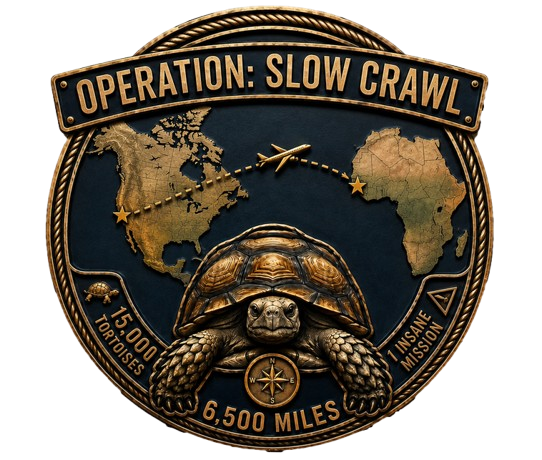
At Operation: Slow Crawl, we believe responsible ownership begins with education. Before adopting a Sulcata, understand what the animal will need throughout its life—not just what it looks like as a hatchling.
A successful adoption is not simply bringing a tortoise home. It is making sure that tortoise has a safe, healthy, and secure future.