Returning a Sulcata tortoise to the wild may sound like a simple act of kindness. After all, these remarkable animals belong to the dryland ecosystems of Africa. But a successful conservation reintroduction involves far more than finding a suitable-looking landscape and opening a transport container.
A tortoise that has lived in captivity may have unknown origins, health concerns, or behaviors that make survival in the wild difficult. Releasing it without careful preparation can harm the animal, native wildlife, and the ecosystem it is meant to help.
The International Union for Conservation of Nature (IUCN) provides guidelines for conservation translocations, emphasizing scientific planning, risk assessment, and long-term monitoring. [1]
For Sulcata tortoises, the central question is not simply, “Can this animal be released?” It is, “Can this animal safely contribute to a healthy wild population?”
1. What Is Reintroduction?
Reintroduction is a conservation effort to establish a species in an area within its historical range where it has disappeared or become locally extinct. It is one type of conservation translocation, which involves deliberately moving organisms to achieve a measurable conservation benefit. [1][2]
This is different from releasing a pet or returning a rescued tortoise to an outdoor enclosure.
A reintroduction project should have a clear conservation purpose, such as restoring a population, improving genetic diversity, or helping a species recover in suitable habitat. The project must also consider whether the release is likely to benefit the species without creating unacceptable risks.
2. Permits and Legal Authorization
Wildlife reintroduction is subject to applicable national and local laws. Depending on the country and the species, permits may be required for wildlife possession, transport, importation, exportation, quarantine, or release.
International trade in Sulcata tortoises may also involve CITES requirements. Legal authorization helps ensure that animals are sourced, transported, and managed responsibly.
A rescue organization or private owner should never assume that a tortoise can be legally released simply because it is native to the country. Reintroduction requires coordination with the relevant wildlife authorities and an approved conservation plan.
3. Genetics: Which Population Does the Tortoise Belong To?
Genetic information matters because wild populations may have distinct evolutionary histories and adaptations.
A tortoise from one region may not be an appropriate candidate for release into another region, even if both areas contain the same species. Mixing individuals from genetically distinct populations can create risks, including hybridization or the loss of local adaptations.
The IUCN’s responsible translocation guidance emphasizes identifying the species or subspecies, considering genetic differences, and avoiding releases that could harm wild populations. [3]
For Sulcata conservation, understanding the origin of captive animals is therefore an important part of responsible planning.
4. Health Screening and Quarantine
A tortoise may appear healthy while carrying a disease that could threaten wild animals. This is especially important when an animal has been held in captivity or has been exposed to other reptiles.
Before a potential reintroduction, qualified veterinarians and wildlife health professionals should assess the animal’s condition and evaluate disease risks. Quarantine and appropriate testing may be necessary before transport or release.
The IUCN’s 2025 guidance warns that displaced animals can transmit infectious diseases to wild populations, other wildlife, or people. It recommends health evaluation and disease-risk assessment before responsible translocation. [3]
Health screening protects both the individual tortoise and the native ecosystem.
5. Habitat Suitability
A release site must provide the conditions necessary for long-term survival. This includes suitable food, shelter, climate, water availability, and space for the species to establish itself.
The IUCN guidelines emphasize that release areas should have sufficient habitat and carrying capacity to support a viable population. Previous causes of decline should also be addressed before reintroduction. [2]
For Sulcata tortoises, habitat suitability includes more than warm temperatures. The natural environment must support grazing, shelter, movement, and the ecological relationships that make survival possible.
6. Community Collaboration
Conservation does not happen in isolation from people. Many potential release sites are used by communities for agriculture, grazing, transportation, or other activities.
A reintroduction project should involve local communities, land managers, and relevant authorities. Their knowledge of the landscape and their concerns about wildlife interactions can help identify risks and develop practical solutions.
The IUCN’s guidance on displaced wildlife emphasizes that local communities should be consulted and their needs respected when planning translocations. [3]
Successful conservation should benefit wildlife while recognizing the people who share the landscape.
7. Monitoring After Release
Releasing an animal is not the end of a conservation project. It is the beginning of a period of observation and evaluation.
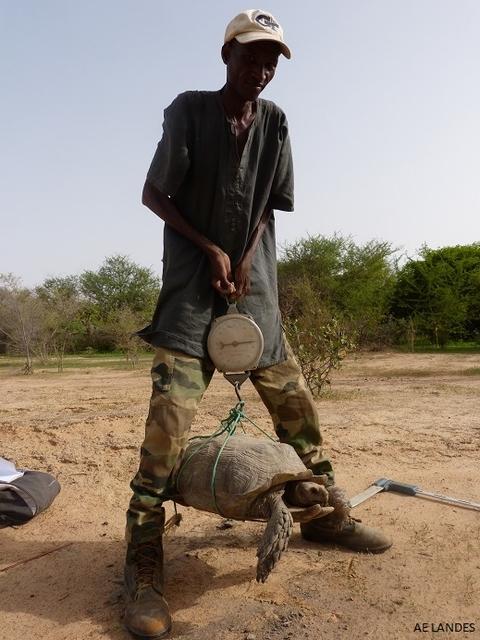
Monitoring helps professionals determine whether the tortoises are surviving, finding food, using suitable shelter, and adapting to their environment. It can also reveal disease concerns, unexpected mortality, or interactions with other wildlife.
The IUCN guidelines identify post-release monitoring and intervention as important parts of responsible conservation translocation. [1][3]
Without monitoring, it may be impossible to know whether a release achieved its conservation goals.
8. Professional Oversight
A responsible reintroduction project requires a qualified team. Depending on the circumstances, this may include wildlife veterinarians, herpetologists, geneticists, habitat specialists, conservation biologists, and local wildlife authorities.
These professionals assess whether a release is justified, identify risks, develop procedures, and coordinate monitoring. Their expertise helps ensure that decisions are based on evidence rather than assumptions.
If a tortoise cannot be responsibly released, alternatives may include long-term care at a specialized facility or participation in an approved conservation breeding program. [3]
Conclusion
Reintroduction is a conservation process, not an act of release. It requires careful planning, legal authorization, genetic and health assessment, suitable habitat, community collaboration, monitoring, and professional oversight.
For Sulcata tortoises, responsible conservation means protecting both individual animals and the wild populations they represent.
At Operation: Slow Crawl, we believe that the best conservation decisions are informed by science, respect for wildlife, and a commitment to long-term outcomes. A tortoise’s return to the wild should be measured not by the moment it leaves human care, but by whether it can contribute safely to a thriving ecosystem.